


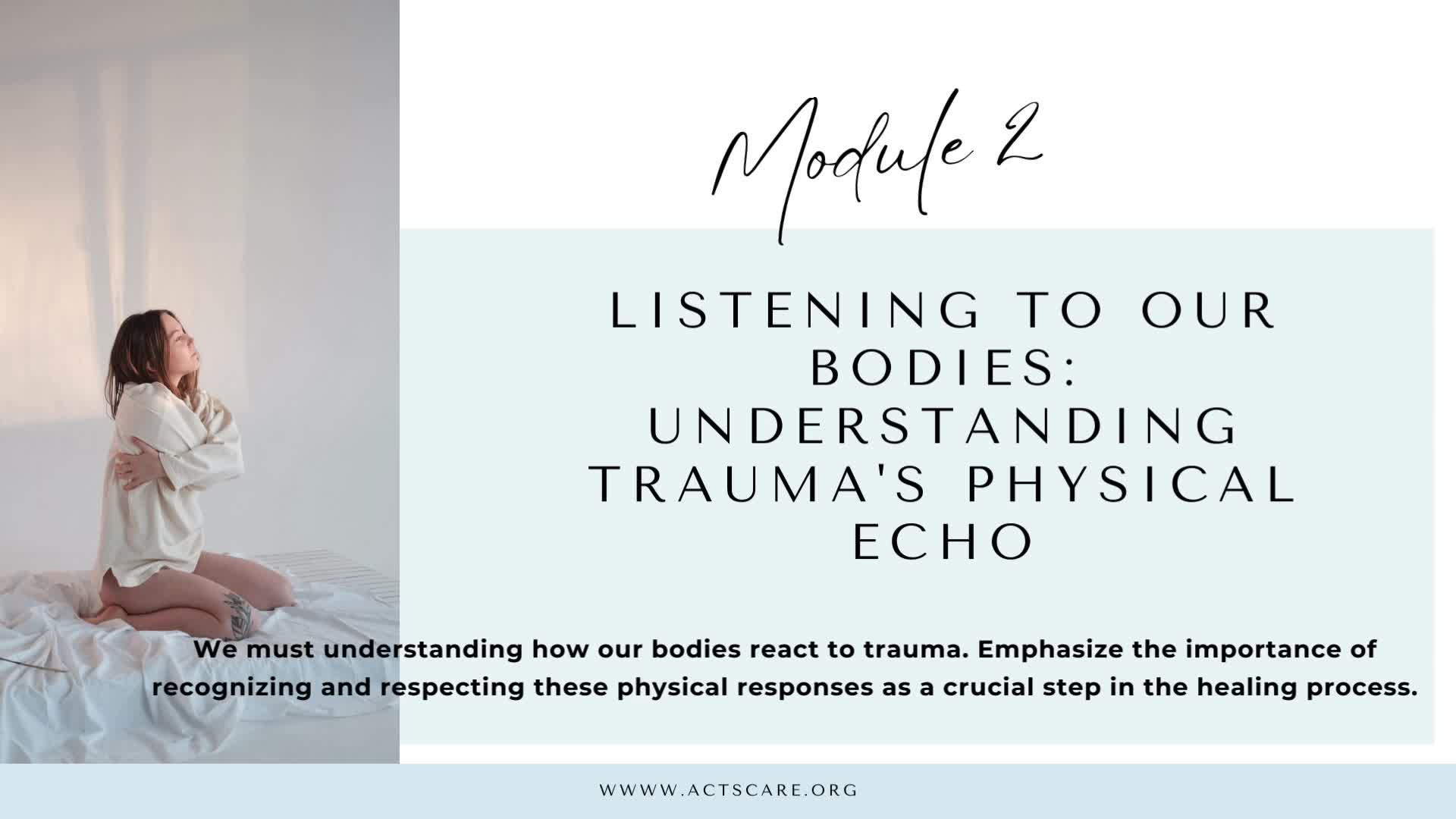
In Module 2 of the Journey to Empowerment program, we delve into the profound connection between trauma and the body’s physical responses. This module aims to equip participants with a deep understanding of how trauma manifests in the body and the importance of recognizing and respecting these signals as essential steps in the healing process.
Participants will explore the various types of trauma, including acute, chronic, complex, developmental, and secondary trauma. The module covers the different physical responses to trauma, such as the fight, flight, freeze, and fawn mechanisms. By understanding these responses, participants can better recognize symptoms like rapid heartbeat, muscle tension, immobility, and people-pleasing behaviors.
Through interactive activities and reflective exercises, participants will learn to interpret their body’s language and normalize stress and trauma responses. Techniques such as body scanning and meditation will be introduced to help manage and alleviate physical symptoms associated with trauma.
Join us in Module 2 to gain valuable insights and practical tools for listening to your body and fostering a deeper sense of self-awareness and healing.
Key Takeaways:
• Understand the physical response to trauma.
• Recognize and respond to your body’s signals.
• Learn and apply techniques like body scanning and meditation.
• Develop coping skills to manage trauma-related physical symptoms.
Discover how to tune into your body’s physical echo of trauma and take essential steps toward empowerment and healing.

🌟 Women, remember that your journey is uniquely yours. Embrace your own timeline and discover yourself at your own pace. Let your light shine brightly, no matter where you are in your journey. 🌟 #FindYourself #ShineBright

Let your light shine! 🌟 Watch this inspiring conversation from the 2023 Women’s Conference, where we explore the power of being the light in our lives and in the lives of others. Embrace your brilliance and illuminate the world around you.
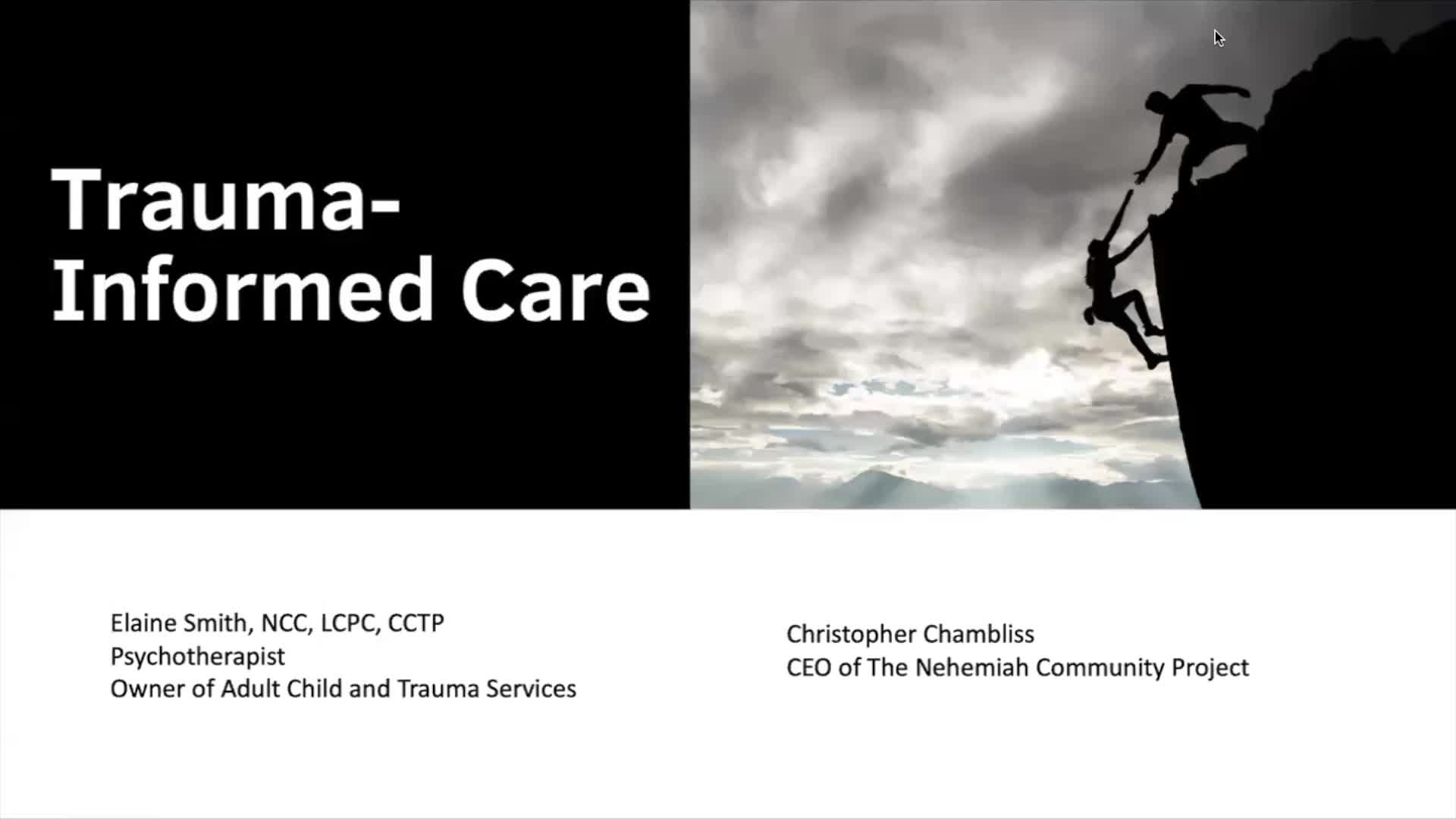
The video emphasizes the transformational change that trauma-informed care can bring to an organization, including improved employee morale, increased empathy and compassion, and a stronger sense of community and belonging. It also discusses practical steps for implementing trauma-informed principles in everyday operations, such as ongoing training, policy adjustments, and adopting a strengths-based approach.
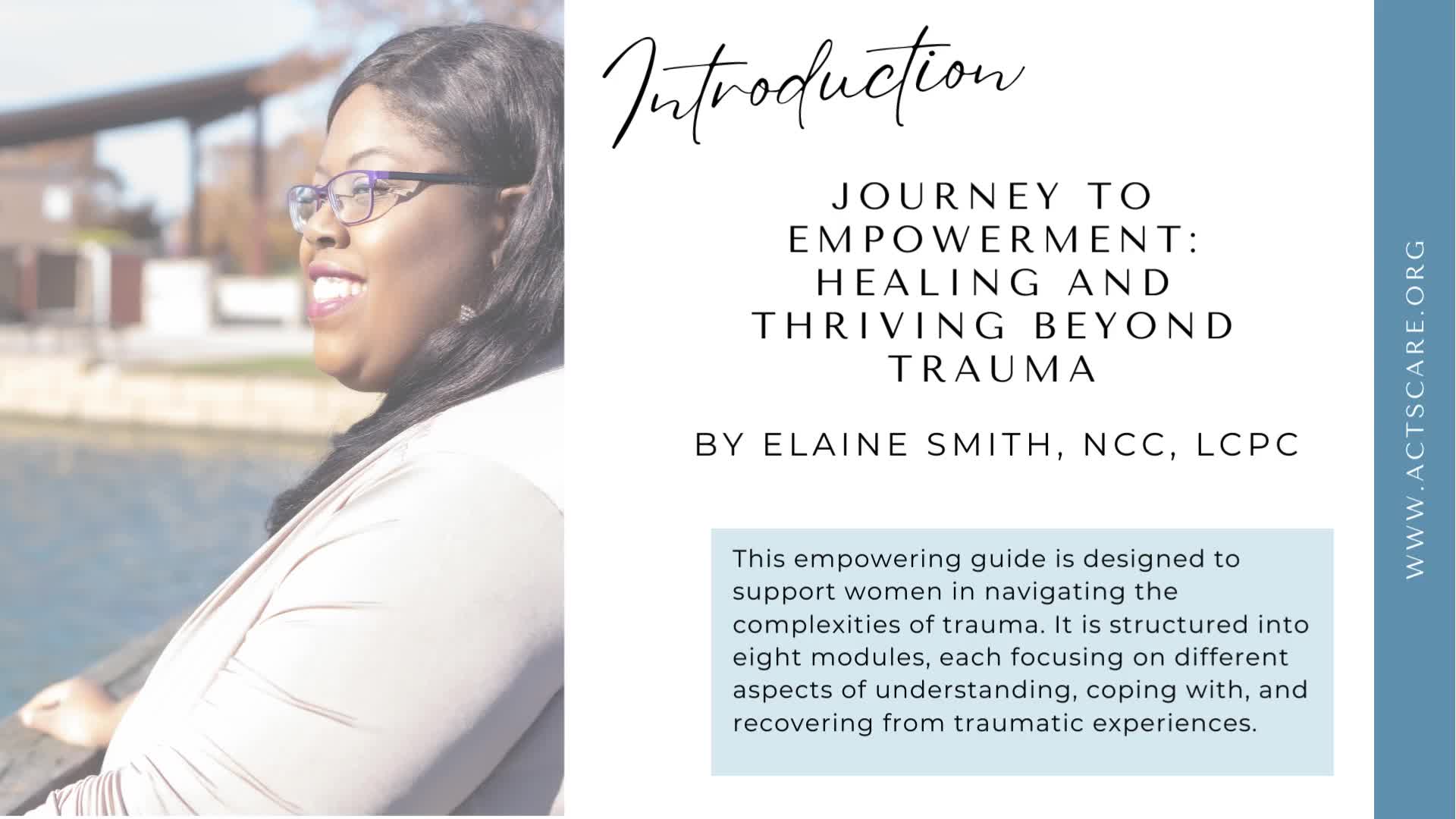
This module offers a comprehensive exploration of trauma, articulated through the 'Three E's': Event, Experience, and Effect, emphasizing not just the occurrence of traumatic events but how these experiences shape our emotional and physical well-being.